
Assess and map
Inspect visible damage and use moisture meters, hygrometers, and thermal imaging to identify affected areas.
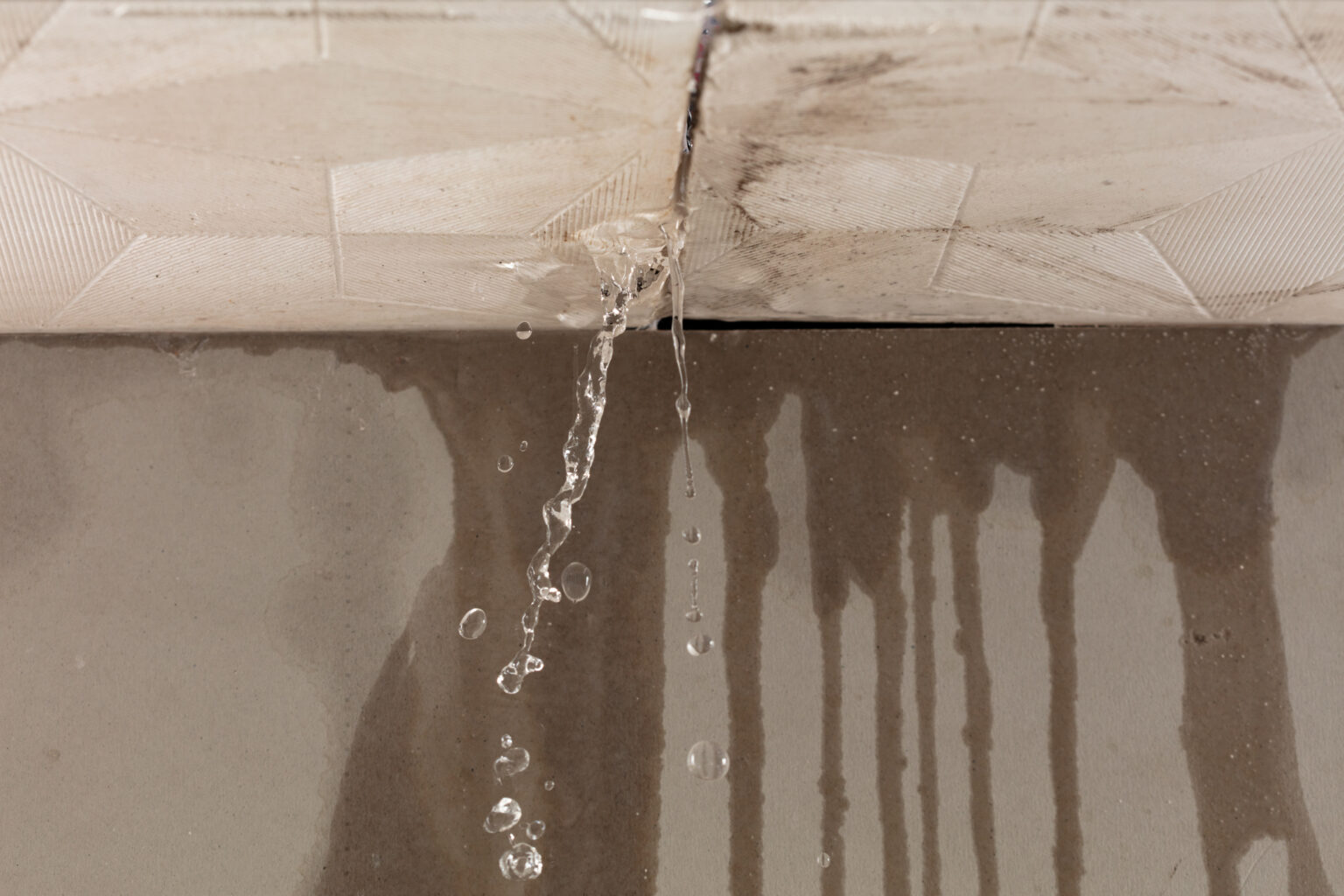
Burst pipes, appliance leaks, flooding, and roof intrusion can push water into walls, flooring, and cavities. The response is built around extraction, moisture mapping, controlled drying, and clear next steps.
Do not enter or touch an area that may be unsafe. Call 911 for immediate danger.
Talk through the situation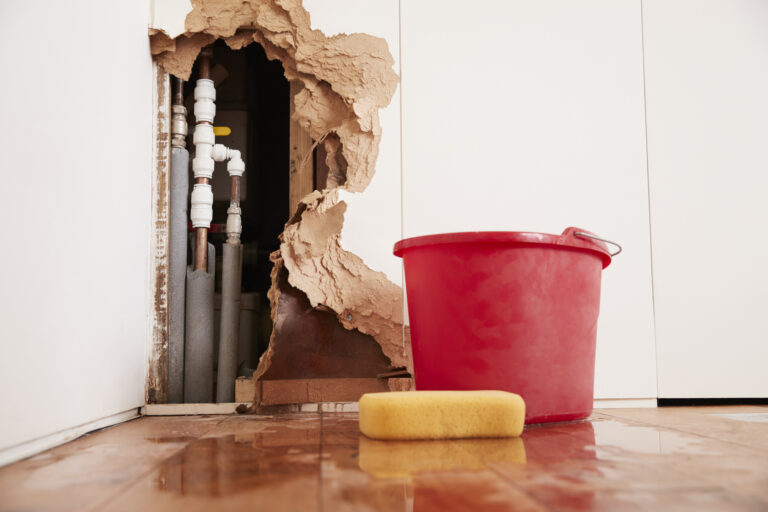 IICRC certified restoration process
Inspect visible damage and use moisture meters, hygrometers, and thermal imaging to identify affected areas.
Use commercial pumps and vacuums to remove standing water and reduce continued absorption.
Position professional air movement and dehumidification equipment around the affected materials.
Measure moisture throughout drying, clean and sanitize as appropriate, then review the path to repair.
A useful restoration plan connects the observed damage, affected materials, equipment or labor, monitoring, documentation, and next decision.
The team can organize photographs, measurements, and scope details and communicate with your insurance carrier. Coverage is determined by the carrier.
Immediately. Water can travel beyond the visible area, and microbial growth can begin in favorable conditions within 24 to 48 hours.
Fans may move surface air, but they do not confirm whether wall cavities, subfloors, insulation, or structural materials are dry.
Many projects require several days of drying and monitoring. The source, materials, affected area, and repair needs determine the actual timeline.
Coverage depends on the policy and cause of loss. The team can document the damage and help communicate the restoration scope, but the carrier determines coverage.