
Confirm safe access
Coordinate entry after the fire department or relevant authority has released the property.
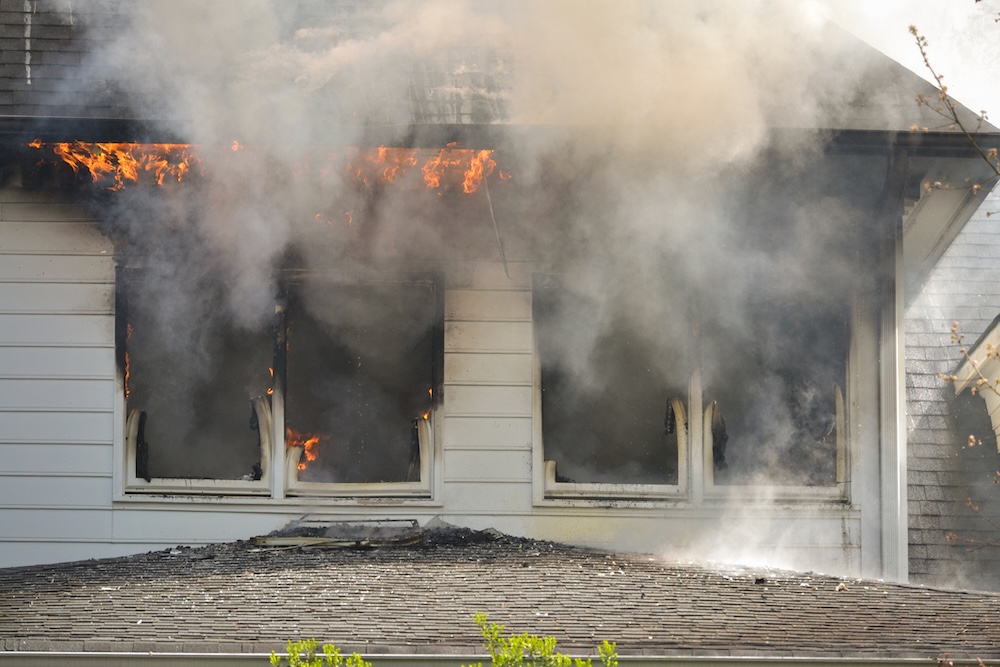
After the fire is out and the property is cleared for entry, the work shifts to securing openings, documenting damage, removing residues, controlling odor, and planning repairs.
Do not enter or touch an area that may be unsafe. Call 911 for immediate danger.
Talk through the situation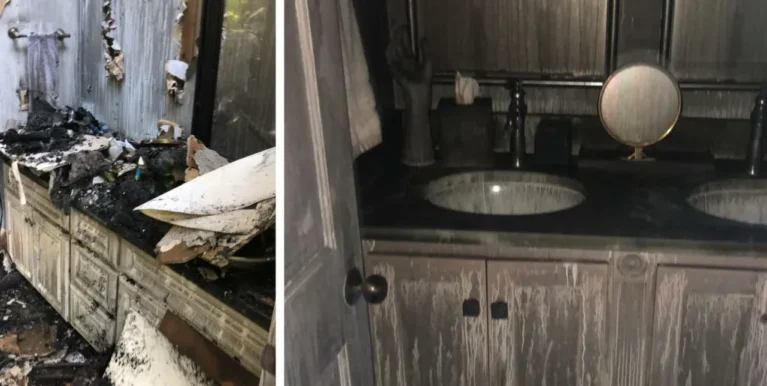 IICRC certified restoration process
Coordinate entry after the fire department or relevant authority has released the property.
Inspect conditions, protect exposed openings, and record affected rooms, surfaces, and contents.
Use material-appropriate methods for soot, smoke film, debris, and odor control.
Define salvageable materials, content handling, repairs, reconstruction, and the final property review.
A useful restoration plan connects the observed damage, affected materials, equipment or labor, monitoring, documentation, and next decision.
The team can organize photographs, measurements, and scope details and communicate with your insurance carrier. Coverage is determined by the carrier.
After emergency authorities have cleared the property and the site can be entered safely.
Smoke particles can settle on surfaces and enter porous materials, HVAC pathways, and concealed areas. Effective odor control starts with source removal and detailed cleaning.
Some contents can be cleaned or deodorized; others may not be safe or practical to restore. The material and level of exposure guide the decision.
The team can document conditions, explain the restoration scope, and communicate with the carrier. Coverage decisions remain with the carrier.