
Inspect the property
Review exterior and interior conditions, identify hazards, and document visible storm effects.
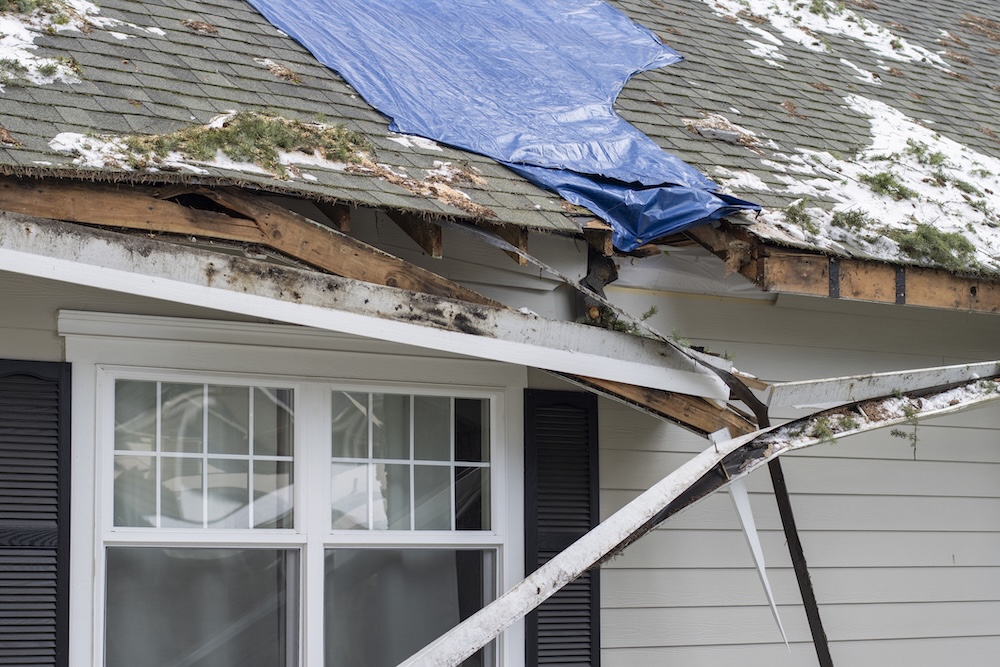
Wind, hail, falling limbs, and driven rain can damage roofing, siding, windows, and interior finishes. The first priority is to assess hazards, stop additional exposure, and document the loss.
Do not enter or touch an area that may be unsafe. Call 911 for immediate danger.
Talk through the situation IICRC certified restoration process
Review exterior and interior conditions, identify hazards, and document visible storm effects.
Use emergency board-up, roof tarping, or water extraction when included in the approved response.
Separate temporary protection from the permanent roofing, exterior, interior, or reconstruction work required.
Complete approved repairs, coordinate permits when required, and walk through the finished work.
A useful restoration plan connects the observed damage, affected materials, equipment or labor, monitoring, documentation, and next decision.
The team can organize photographs, measurements, and scope details and communicate with your insurance carrier. Coverage is determined by the carrier.
Avoid damaged trees, power lines, standing water, and unstable building areas. Photograph safe-to-access conditions and call for professional assessment.
No. Tarping is temporary stabilization intended to reduce additional exposure until permanent work can be planned.
Yes. The response can include photographs, measurements, moisture findings, and a written restoration scope.
Not always. The damage area, roof condition, material availability, repairability, and approved scope determine the appropriate solution.