
Inspect and map moisture
Review visible conditions and investigate the water source using moisture meters and thermal imaging when appropriate.
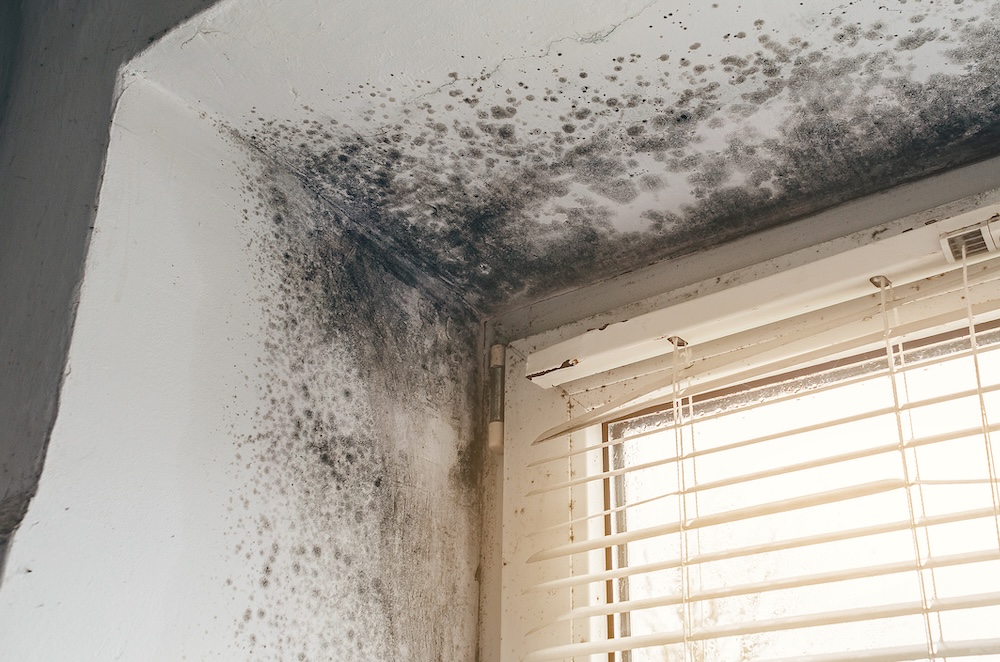
A musty odor, visible growth, or a recent water event deserves a careful inspection. The goal is to define the affected area, contain it, remove impacted material safely, and correct the moisture condition.
Do not enter or touch an area that may be unsafe. Call 911 for immediate danger.
Talk through the situation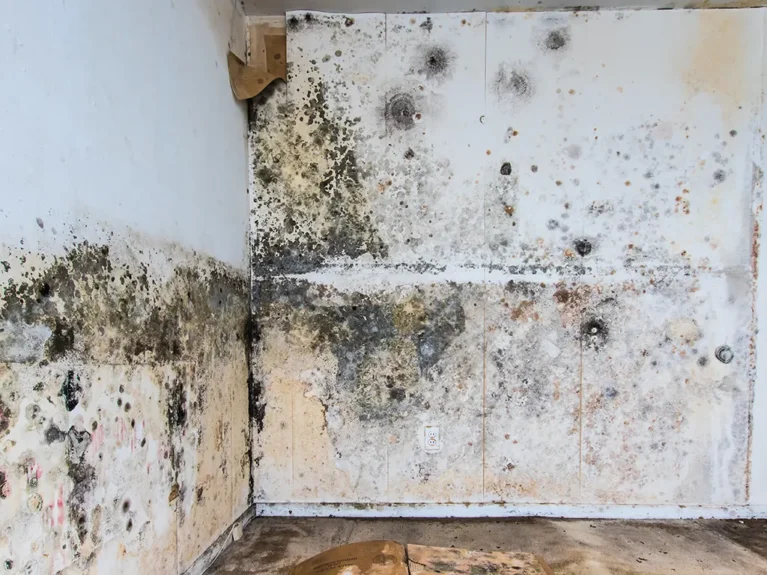 IICRC certified restoration process
Review visible conditions and investigate the water source using moisture meters and thermal imaging when appropriate.
Separate the affected space and use HEPA-filtered air management to help control airborne particles.
Remove unsalvageable porous materials, HEPA vacuum, and clean remaining surfaces using the planned remediation protocol.
Correct the moisture source, dry the structure, apply appropriate treatment, and complete post-remediation review or testing when included.
A useful restoration plan connects the observed damage, affected materials, equipment or labor, monitoring, documentation, and next decision.
The team can organize photographs, measurements, and scope details and communicate with your insurance carrier. Coverage is determined by the carrier.
No. Coating visible growth does not remove contaminated material or resolve the underlying moisture source.
No. The affected material, extent, moisture condition, and ability to clean it determine the remediation scope.
It can if excess moisture returns. Moisture-source correction and structural drying are essential parts of a durable plan.
Some policies may cover remediation when it results from a covered event. The insurer and policy language determine coverage.